


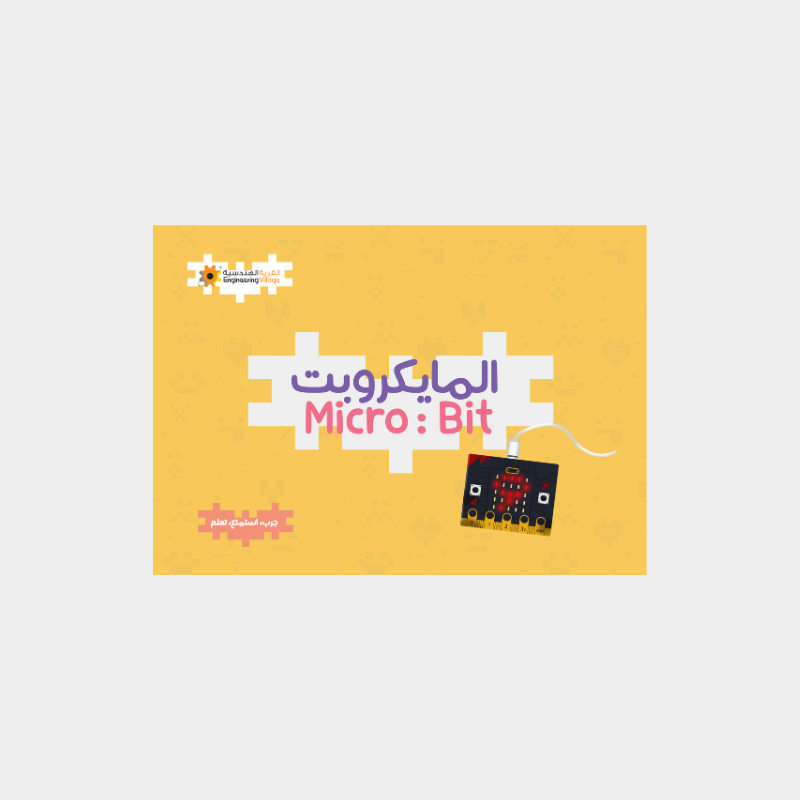

Micro Bit Book
4.000 (The price does not include tax)
When children take their first steps into the world of electronics and programming, having an engaging and interactive guide becomes essential.
micro:bit – Part One, published by Engineering Village, is designed specifically for learners aged 10 and above, serving as a simple and practical introduction to programming using the micro:bit board.
95 in stock (can be backordered)
Empower the Next Generation of Innovators with the micro:bit Book – Part One
In an era defined by rapid technological advancement, coding and digital creativity have become essential literacy skills. For children embarking on their first journey into the dynamic worlds of electronics and programming, the right foundation is everything. micro:bit – Part One, expertly published by Engineering Village, is designed to be that foundational cornerstone. This comprehensive guide offers a simple, practical, and incredibly engaging introduction to programming and computational thinking using the beloved and powerful micro:bit board, tailored specifically for learners aged 10 and above.
True learning happens through action. That’s why this book is built entirely around a proven “learn by doing” methodology. It transforms abstract concepts into tangible understanding through over 20 exciting, hands-on experiments and progressively challenging projects. This approach does more than teach syntax; it systematically builds critical 21st-century skills: structured logical thinking, innovative creativity, and resilient problem-solving abilities—all within a fun, supportive, and pressure-free learning environment.
Who is This micro:bit Programming Book For?
This book serves as the perfect launchpad for a diverse audience of budding technologists:
-
Young Learners & Students (Ages 10+): Curious minds ready to transition from being passive consumers of technology to active, confident creators.
-
Primary & Middle School Students: An ideal resource for enriching school curricula, supporting STEM/STEAM initiatives, coding clubs, or inspiring independent study.
-
Educators & Teachers: A structured, ready-to-use teaching tool that simplifies coding education, providing clear lesson pathways and classroom-ready projects.
-
Parents & Guardians: A valuable resource for parents seeking high-quality, screen-positive educational content that develops future-ready skills through meaningful, project-based learning.
-
Absolute Beginners in Electronics & Coding: Anyone with an interest in understanding microcontrollers and creating with code, requiring no prior experience in programming or electronics.
Clear Learning Objectives: Building Skills Step-by-Step
Structured with purpose, this book guides learners toward clear, achievable outcomes:
-
Build Foundational Knowledge: Demystify technology by understanding what the micro:bit is, its components, and how it functions as a versatile, pocket-sized computer.
-
Master Hardware Interaction: Explore and program its various inputs and outputs, including tactile buttons, the 5×5 LED matrix display, and built-in sensors for light, temperature, and motion detection.
-
Create Real-World Projects: Apply knowledge immediately by building functional and fun projects like an automatic smart lamp, an interactive fruit-powered music controller, a digital step counter, and a simple security system.
-
Foster a Innovator’s Mindset: Cultivate persistent curiosity and a scientific approach to problem-solving through iterative design, testing, and refinement.
Inside the Book: A Structured Learning Pathway
The content is carefully scaffolded across thematic chapters to ensure a smooth and logical learning progression:
-
Getting Started: Unbox your micro:bit (real or simulated) and navigate the friendly Microsoft MakeCode block-editor interface.
-
Outputs First: Learn to command the LED display to show icons, animations, and scrolling text—instant visual feedback!
-
Working with Inputs: Make programs interactive by responding to button presses, gestures, and environmental data from sensors.
-
Variables & Logic: Introduce core programming concepts to store data and make programs make decisions.
-
Capstone Projects: Combine all learned skills to create more complex, multi-feature applications and games.
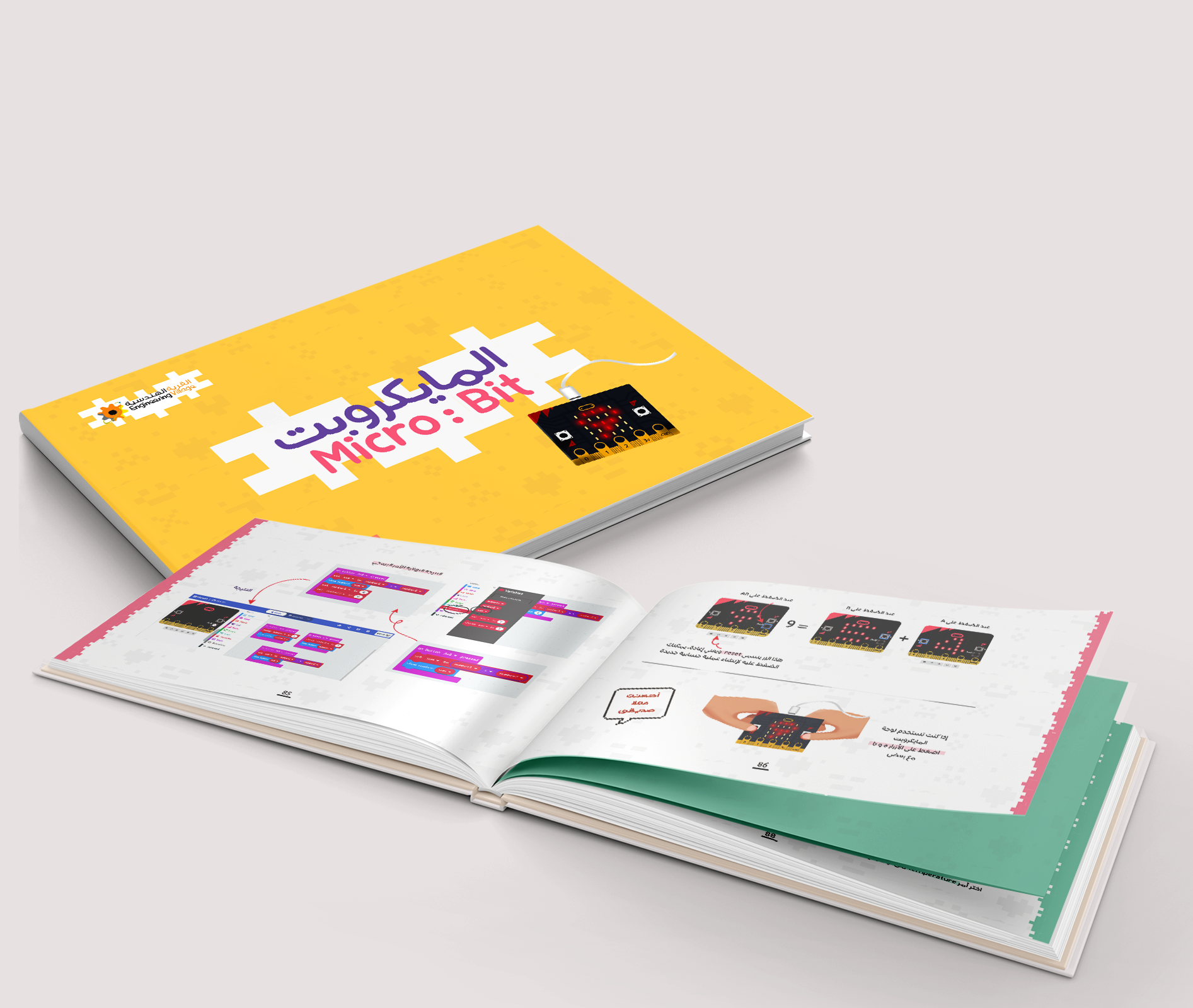
Every project is supported by clear, full-color visuals, easy-to-follow diagrams, and detailed step-by-step instructions designed to ensure success and build unwavering confidence.
-
Interested in seeing the approach? [Click here to browse sample pages from the book]
Skills Gained from the Book
- Developing logical and creative thinking
- Understanding the basics of sensors, actuators, and controllers
- Building real-world tech projects that blend coding and science
- Enhancing soft skills like communication, collaboration, and critical thinking (4Cs)
- Gaining confidence in using technology effectively
Getting Started: Simple and Accessible Requirements
The barrier to entry is intentionally low to maximize accessibility:
-
Hardware: A standard computer, laptop, or tablet with an internet connection to access the free, cloud-based MakeCode platform.
-
The Key Ingredient: A spark of curiosity and the willingness to experiment, iterate, and learn from every attempt—the true engine of innovation.
Alongside this book, you can get the Micro:bit Essentials Kit to apply what you learn step by step.
[Click here to discover it]
| Weight | 0.5 kg |
|---|---|
| Dimensions | 1 × 1 × 1 cm |
You may also like…
Related products
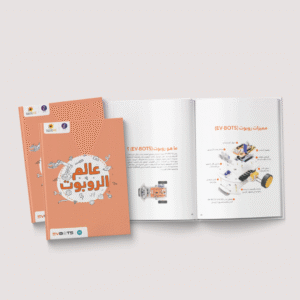
Robotics World Book
Python Book Part 2
Arduino Book

Electronics Projects Book
Electronics Basics Book
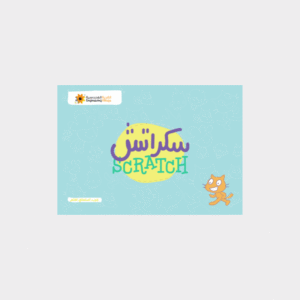
Scratch Book
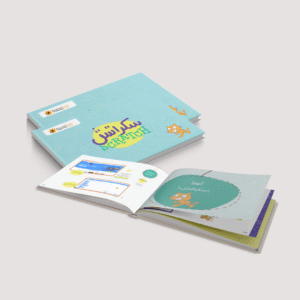
The Master Scratch book aims to teach programming to children and young learners using the Scratch platform — a visual programming language developed by the MIT Media Lab in collaboration with Google and Microsoft for educational purposes.
Its goal is to empower students to learn and express their creativity through modern technology in an engaging and accessible way.
To date, Scratch users around the world have created and shared over a million projects on the official Scratch website: scratch.mit.edu.
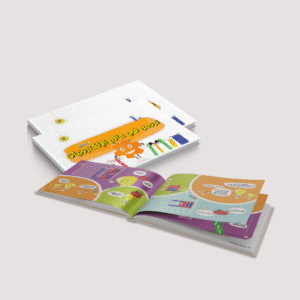
Taroos in The World of Electronics Book



Reviews
There are no reviews yet.