




Duration:
5 days / 10 training hours
Enrollment Options:
-
Online via Zoom or In-Person
-
Private Session or Group Class
65.000
Learn to program and develop IoT projects in just 5 days! A specialized practical course using the NodeMCU chip and Blynk platform to build smart, internet-connected applications.
What will you learn?
Understanding IoT basics and its practical applications
Programming the NodeMCU chip (ESP8266) with Arduino C language
Connecting electronic devices to the internet via Wi-Fi
Building smart control interfaces using the Blynk application
Implementing a practical smart home project (remote control and monitoring)
Course Features:
✅ Complete electronic toolkit with free shipping
✅ 10 hours of direct hands-on training
✅ Certified certificate in IoT programming
✅ Online training via Zoom or in-person attendance
✅ Real applied project ready for use
Requirements: Basic knowledge of Arduino programming.
Suitable for: Engineering students, IoT developers, network engineers, and technology enthusiasts.
Turn your ideas into connected smart applications – Register now! 🌐🤖
Dive into the heart of modern technology with the specialized Internet of Things (IoT) course. This practical course will take you on a journey from understanding the basics of this revolutionary field to implementing real smart projects using the powerful NodeMCU chip. The Internet of Things is the concept that connects everyday devices to the internet, enabling them to exchange data and automate processes, and it is the foundation of smart cities, smart homes, and Industry 4.0.
Module 1: Introduction to the World of Internet of Things
Understanding the IoT concept: How it works, and why it is considered a technological revolution?
Exploring practical IoT applications: In smart agriculture, healthcare, energy, and sustainable cities.
Studying IoT system architecture: From sensors to the Cloud.
Understanding IoT challenges and security, with reference to OWASP IoT Security Resources (important external link).
Module 2: Getting to Know the Hardware: NodeMCU Chip
Introduction to NodeMCU: Why is it the ideal choice for IoT projects? Comparison with other boards such as Arduino and Raspberry Pi.
Understanding its internal components: ESP8266 processor, built-in Wi-Fi memory, GPIO pins.
Development environment setup: Installing board definitions and configuring them in the Arduino IDE.
Module 3: Connecting to the World: Network Programming
Wi-Fi connection programming: Making NodeMCU connect to your local network and the internet.
Introduction to communication protocols: MQTT (used in IoT) and HTTP.
Sending and receiving the first data from the board to your phone or computer.
Module 4: Building the Control Interface: Blynk Application
Introduction to Blynk application: The easy platform for building control interfaces for Android and iOS phones.
Connecting NodeMCU with Blynk: Via Auth Token and Wi-Fi connection.
Designing a customized control interface: Adding buttons, sliders, and graphs to control your project and display data.
Module 5: Integrated Project: Mini Smart Home System
Planning: Designing a system that controls LED lighting and reads temperature and humidity data.
Implementation: Connecting DHT11 sensor and LED to the NodeMCU chip.
Programming: Writing code to collect data and send it to the Blynk application.
Testing: Controlling the LED remotely and monitoring sensor readings from your phone from anywhere in the world!
This course is specifically designed for:
Modern technology enthusiasts and those wishing to understand how smart devices work.
Engineering and computer science students preparing for innovative graduation projects in IoT fields.
Developers and programmers wishing to expand their skills towards physical computing and networks.
Makers and hobbyists looking to automate their homes or build smart projects.
Basic Course Requirements
Level: Intermediate. It is preferred that the learner has:
Basic knowledge of a programming language, preferably C/C++ as in Arduino.
Simple understanding of electronics principles and electrical circuits.
Highly recommended: To have completed our Arduino Programming Course or its equivalent.
Unique Features:
Comprehensive toolkit: Each participant receives their own kit containing NodeMCU, sensors (DHT11, motion), LEDs, and connecting wires. Free shipping for remote trainees.
Real learning through projects: Focus on the “smart home” project that you can develop after the course.
Certified certificate: You receive an accredited certificate of completion in Internet of Things applications programming.
Gateway to specialization: This course qualifies you for advanced courses such as AI Applications in IoT.
Seize the opportunity and become a pioneer in the world of the future. Register now and start programming the devices that will change the way we live!

Launch into the world of programming with the comprehensive C++ course for beginners! In just 5 days (10 hours), you will learn the language basics, set up the programming environment, write commands, and perform arithmetic operations and functions. You will build simple practical applications and acquire the essential skills to begin your programming journey.
Course Features:
Suitable for absolute beginners
Direct hands-on remote training
Accredited certificate upon completion
Individual or group training options
Register now and start your programming journey!

Arduino Robotics Programming Course | Arduino Robotics
Learn to build and program robots from scratch! An intensive 5-day hands-on course covering chassis design, motor assembly, and sensor programming using Arduino C language.
What will you learn?
Understanding robot components and selecting the right parts
Assembling mechanical structures and connecting motors
Programming precise control of robot movement
Programming sensors (distance, tracking, collision)
Implementing a practical autonomous robot project
Course Features:
✅ Complete robotics toolkit for each participant ✅ 10 hours of direct hands-on training ✅ Accredited certificate in robotics programming ✅ Online or in-person training ✅ Applied practical graduation project
Prerequisites: Basic knowledge of Arduino C and electronics.
Suitable for: Engineering students, robotics enthusiasts, makers, and technical educators.
Register now and build your first robot! 🤖
Electronics Basics Course
Electronics Basics Course for Beginners | Electronics from Zero
Launch into the world of electronics step by step! An intensive 10-hour practical course (2 hours daily for 5 days) that takes you from scratch to building real electronic circuits.
What will you learn?
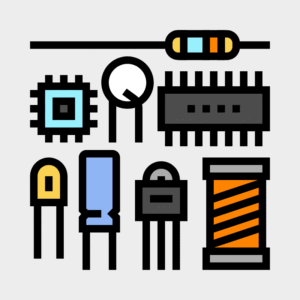
Understanding basic electronic components (Resistors, Capacitors, Transistors)
Reading schematics and electronic symbols easily
Using the Breadboard for circuit connections
Measuring electrical values using the Multimeter
Implementing an integrated practical project (Alarm or Lighting circuit)
Course Features:
✅ For complete beginners - No prior experience needed ✅ 90% hands-on training from day one ✅ Online training via Zoom or in-person attendance options ✅ Private session (one-on-one) or shared class (group) ✅ Certified certificate upon course completion
Suitable for: School and university students, electronics hobbyists, teachers, and tech entrepreneurs.
Turn your curiosity into a practical skill - Register now and build your first electronic circuit with your own hands! 🔧⚡


No account yet?
Create an Account